
Brian of Welcome to the Deathtrap posted a nice review of Swords & Wizardry Complete on his blog last week.
Swords & Wizardry Complete is a clone of the original Dungeons & Dragons 1974 rules plus the first supplements. If you want to have the experience of playing a unquestionably old school version of D&D, this is the game I recommend most.
I’ll add my own thoughts about the game, why it has been my primary game for several years and some thoughts about why I think you might want to try it out.
Brian wrote a good overview of the game. If you aren’t familiar with it, I recommend reading his review.
Brian’s post and my post combined together will give you a more complete view of the game.
The short version is that Swords & Wizardry has almost everything I want and very little of what I don’t want.
Simple is good.
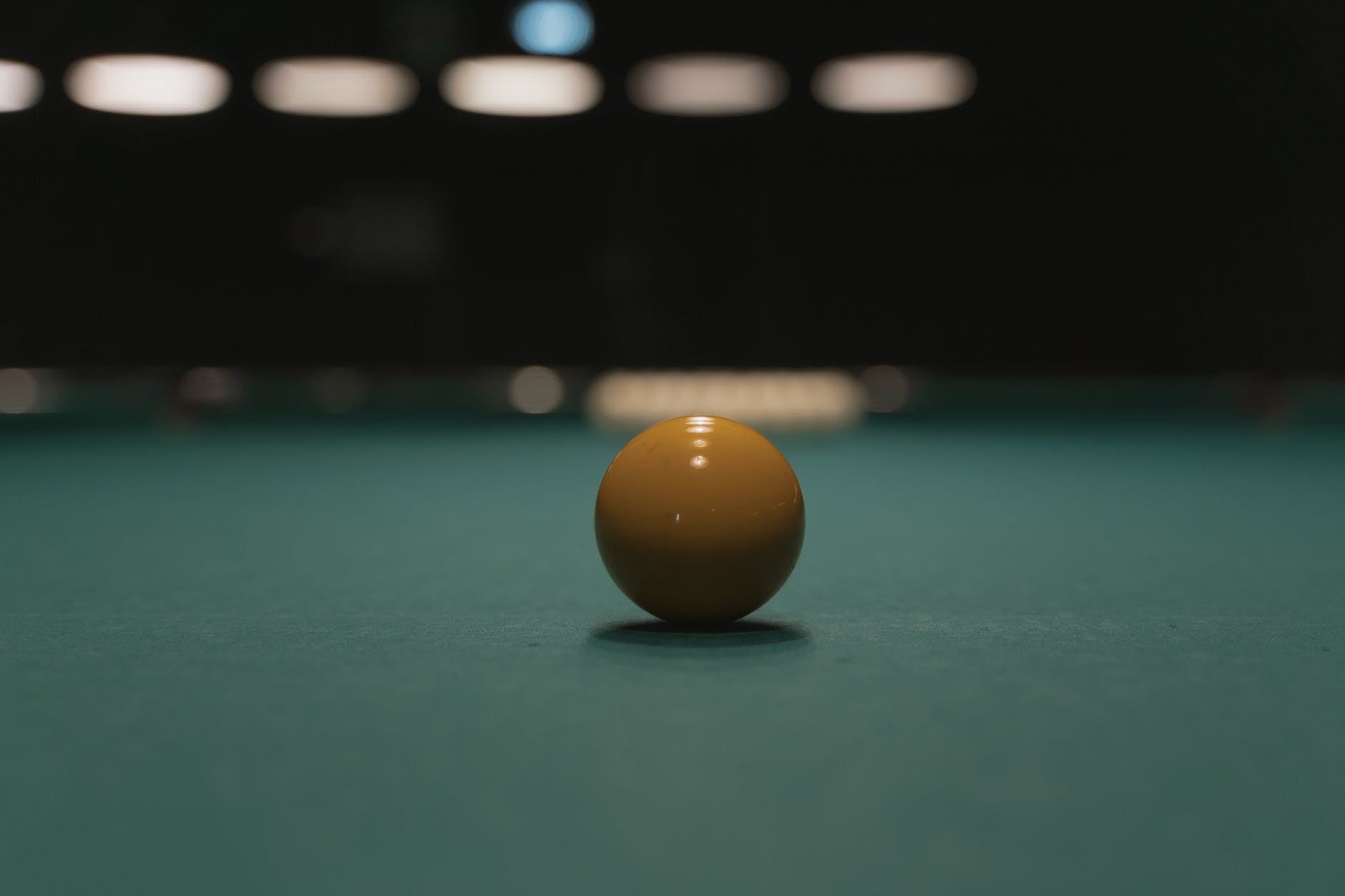
I like games with simple components and complex interactions.
A billiard ball is a solid, 2 1/4 inch sphere made of phenolic resin. No moving parts. Just a sphere.
The concept of “pool” games is simple. You use a stick to drive one ball (the cue ball) into the other balls and push them into pockets set into the sides of the table. The interactions between each of these simple spheres is so complex that it is impossible to predict where the balls will come to a rest.
Swords & Wizardry one of my favorite games because it is like billiards. The components are simple but the interactions create outcomes I find surprising and exciting in play. The outcomes of these simple parts interacting in complex ways cannot be predicted.
The unpredictable nature of it makes it incredibly fun and addictive to play.
A character sheet for S&W is one side of a single page. I have used index cards as well.
The section for the rules for players comes to 73 pages. 25 of those pages are spells which most players won’t need.
The choices a player makes to start their character are minimal. You roll your stats, and starting money, choose a species, class, your gear and it’s time to play.
I take 30 minutes to guide a new player through the character creation process and explain what their character can do. An experienced player can do it in 15 minutes or less.
I have played the game with 10 year old children who never played an RPG before in their lives and they were brilliant.
It’s Inexpensive
I didn’t have a lot of money when I was a kid and I have retained a certain thriftiness. These days, I can afford more luxuries and I do indulge but I look for value in my hobby expenditures.
In the world of tabletop games, Swords & Wizardry is an absurd value.
The game, the supplements, and adventures published for it are very reasonably priced. There are enough free adventures online that you could easily spend less than $50 and have more high quality gaming material than you could play in your lifetime. Or you could make material for the game yourself, which is what I do most of the time.
It’s Customizable
A fundamental characteristic of classic fantasy adventure games is that the referees and players enjoy creating their own settings, spells, monsters, magic items, house rules, and adventures. It’s as much a part of the game as the play at the table. Game masters almost always spend more time creating their game worlds than they do playing the game.

Gary and Dave didn’t think anyone would want them to create dungeons and settings for referees. It was assumed you’d bring home the bike they sold you; bolt on some ape hangers, a pair of bobbers and give it a sweet flame paint job.
Why would you want them to do your imagining for you?
Swords & Wizardry retains that customizability.
Swords & Wizardry Complete is an incomplete game.
Incompleteness is its best feature.
Refereeing Swords & Wizardry gave me a deeper understanding of the game.
Swords & Wizardry Complete is a clone of the original classic fantasy adventure game. I started with AD&D but most of my D&D experience was with 2nd Edition. There were some things about those games I didn’t understand. Why did this spell work this way? What’s up with the potion miscibility table? Why do clerics get access to the entire spell list but wizards have to find or buy all the spells after their first few?
A lot of these rules and exceptions seemed to be arbitrary, until I ran a 2 1/2 year campaign where the characters got to high levels over 100+ sessions.
When clever players stacked potions, spells, character abilities, scrolls, and magic items to kill a lich in four rounds of combat I started to grasp what Gary had in mind when he wrote out some of those long and absurdly specific rules. Some his players must have thought of some clever way to exploit a spell, item or ability that took the challenge out of something Gary had devised. He was patching up the exploit. After dealing with high level magic users, magic powered air travel, and the construction of golems, I got what Gary was on about when he was TYPING IN ALL CAPS ABOUT TIME KEEPING!
Some of Gary’s design choices, I don’t agree with and wouldn’t use in my own games. But I do understand where Gary was coming from now that I’ve seen what a hasted, boosted strength, 15th level, invisible, monk can do in Swords & Wizardry Complete.
Making encourages sharing.
Swords and Wizardry Complete often leaves the details of how something works to the referee to decide. There is NOT a lot of text in spell descriptions or prescriptive rules telling you how a particular subsystem must be used. This openness, is one of the reasons why there is such a rich and varied quantity of great material available for Swords & Wizardry and OSR games in general.
The game demands that you make rulings and create things for yourself.
It is impossible to play it if you don’t make some shit up.
Creativity encourages sharing.
Reciprocity is a fundamental requirement for a scene of hobbyists to thrive.
If I’m only selling you things, then that’s a transaction.
Once you give me money and I give you the product the transaction is complete. The relationship ends.
If I make something and sell it but encourage you to modify it and welcome you to tell me about what you did to it and how you made it better then that creates a relationship built on reciprocity. We are sharing.
The customizable nature of the game is why the D.I.O. culture is so strong in the OSR.
The act of making encourages you to share it with someone. The thing you made comes alive when you show it to your friends, write it up and put it out on your blog, or publish it as a zine. Someone else improves on it or takes it in a direction you didn’t imagine or anticipate and brings it back to you. You take that and use it, share it with other people, there is more tinkering, more sharing, new relationships.
The tabletop role-playing game hobby was built on gamers sharing ideas in zines, clubs, and conventions.
The incompleteness of Swords & Wizardry Complete is a catalyst for creation.
Creation is a catalyst for sharing.
Sharing is the foundation of of relationships, friendships and creative movements/scenes.
That’s my favorite thing about Swords & Wizardry. The people who play and love the game as much as I do are positive, generous, and welcoming.
 Grumpy Wizard
Reblogged this on DDOCentral.
LikeLike
Pingback: Getting Started With The OSR: Part 2 : Play a Retro-Clone. – Grumpy Wizard
S&W is such a great system. Like you I tried to run a AD&D 1e campaign but my players were struggling. We moved over to S&W after years of weekly Pathfinder and 5e games and we have never gone back. S&W is exactly how I ran my AD&D game and how most of my friends ran it back in the day. We have been playing a weekly Campaign since 2015 and having a blast. If interested you can check out our S&W gaming blog: https://orderofthecrimsondeath.blogspot.com/
Cheers!
LikeLiked by 1 person
Im curious what system you started on if you weren’t playing AD&D when you left gaming in the late 90s? What were your early D&D experiences?
LikeLike
I started with AD&D in 1987, played that intermittently and a few other games (Twilight 2000, Basic D&D, Top Secret once or twice maybe) until about 1990 and started playing 2E AD&D. 94′ to 97 I played a lot of Vampire The Masquerade and other World of Darkness games. During that time I also played Champions, Amber Diceless, Rifts, Dark Sun campaign using 2E AD&D, Cyberpunk 2020, Earthdawn. After I got out of the Marines I ran a 2E AD&D campaign for 9 months or so. Got to busy with work and school and had to hang it up for a while.
LikeLike